How a German legal firm eliminated CLOUD Act exposure and cut cloud costs by 27 percent
A 600-person German law firm moved privileged case files off a US hyperscaler to DIVERSITY bare metal, satisfied BRAO requirements, and cut cloud costs 27%.

Artiklid, tehnilised märkmed ja aeg-ajalt mõni arvamuslugu. Autorid on insenerid, kes ise käitavad taristut, millest nad kirjutavad.
Telli uudiskiri166 artiklit39 artiklit36 artiklit19 artiklit12 artiklit12 artiklit10 artiklit9 artiklit8 artiklit6 artiklit6 artiklit4 artiklit4 artiklit4 artiklit4 artiklit
Artiklite kaanepildid on loodud tehisintellekti abil.

A 600-person German law firm moved privileged case files off a US hyperscaler to DIVERSITY bare metal, satisfied BRAO requirements, and cut cloud costs 27%.


TLD hijacking and rogue certificate issuance are no longer theoretical. Here is a concrete checklist covering DNSSEC, CAA records, CT monitoring, and resolver hardening.

Three KVM guest-escape disclosures are circulating at once. Here is what each actually means for your production VPS, and where the responsibility boundary sits.

A French asset manager’s US hyperscaler couldn’t meet DORA’s ICT third-party risk rules. EU bare metal fixed the compliance gap and cut cloud costs by 28%.

Dedicated GPU inference delivers stable P99 latency and full memory bandwidth. Shared GPU cuts costs by 60-80% for low-traffic models. Here is how to choose.

Skip the per-GB SaaS bill. Here’s how to design a production-grade bare-metal observability stack with Prometheus, Loki, Tempo, and OpenTelemetry.

28.65 million secrets hit public GitHub in 2025. AI tooling is accelerating the leak rate. Here is what the blast radius actually costs and how to contain it.

Redis and MongoDB both handle session state, but the right choice depends on durability needs, data complexity, licensing posture, and where your data lives under law.

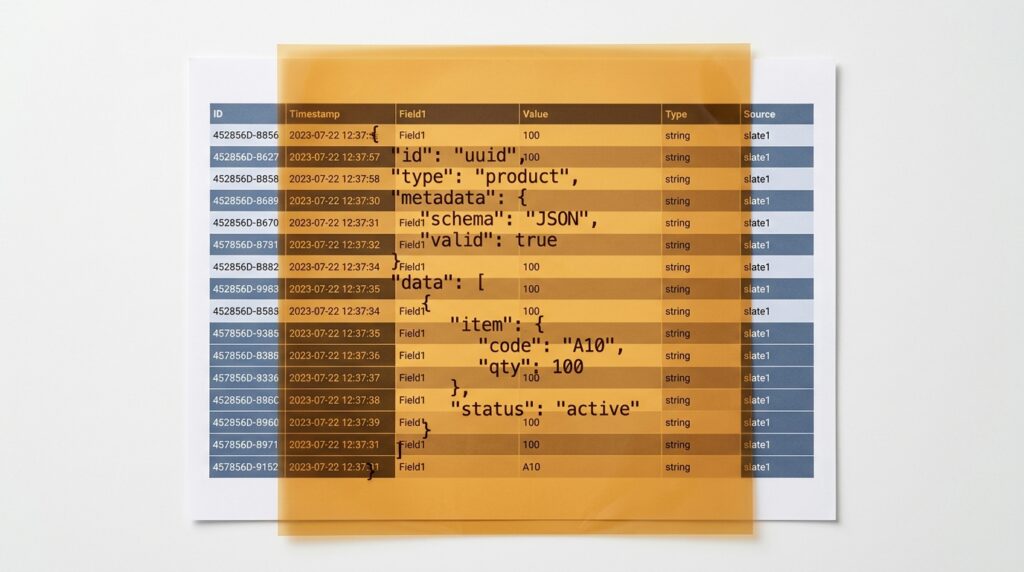
A single field rename can silently corrupt a fraud model for weeks. Here is what schema registries actually enforce, where they stop, and how to close the gap.

A load balancer zero-day sits in a legal grey zone under DORA. Here is the classification framework that determines whether it triggers mandatory reporting or stays in your risk register.

SIP trunking vs hosted VoIP is an architecture decision, not a features comparison. This guide covers call control, branch failover, and EU data residency.

88% of AI PoCs never reach production. The failure is rarely the model. Here is the infrastructure checklist that exposes the real bottleneck before you commit.

Redshift, BigQuery, and Synapse all carry hidden exit costs. Here’s how to audit your BI stack’s real portability before a forced migration becomes a crisis.

A Danish energy utility facing a NIS2 remediation notice migrated its SCADA telemetry to EU-sovereign cloud in 90 days and cut annual cloud spend by 31%.

Moving to bare metal means owning your network topology. Here’s the decision framework to build redundancy at every layer without overprovisioning a single link.

Lateral movement now begins within 34 minutes of initial compromise. Here are the concrete host-level, network, and privilege controls that actually stop it on VPS workloads.

A Belgian health insurer processing data for 800,000 policyholders resolved a live FSMA inquiry on Schrems II risk and cut infrastructure costs by 34%.

Finance and energy teams running BI on hyperscalers face a growing gap between analyst productivity and audit-ready data sovereignty. Here is how to close it.

Redis or MongoDB for real-time analytics? The answer depends on latency tolerance, persistence needs, and licensing. Here is the architecture-grounded breakdown.

Between 88% and 95% of AI pilots never reach production. The architecture is usually why. Here’s where GPU cluster PoCs break and how to fix them.

UCaaS outages are no longer rare. Here is why carrier-grade SIP trunking with BGP multihoming is the resilience layer every enterprise voice stack needs.

Kernel defaults were not designed for high-throughput object storage. Here are the specific sysctl knobs, buffer sizes, and I/O scheduler choices that actually move the needle.

Object storage lifecycle policies cut costs and enforce GDPR storage limits. Here is how to design tiering, expiry, and retention rules that actually work.

Most teams budget AI by token cost and miss the real infrastructure bill. Here’s how to measure what AI adoption is actually doing to your cloud.

Linux networking defaults cap throughput on high-traffic VPS instances. Here’s how to tune TCP buffers, IRQ affinity, and queue discipline to fix it.

A Polish defence contractor faced losing a multi-year NATO contract after telemetry data was found routing through US-jurisdiction infrastructure. Here is how it was resolved.

Schema drift between producers and consumers is one of the most common causes of silent pipeline failure. Here’s how to manage it systematically.

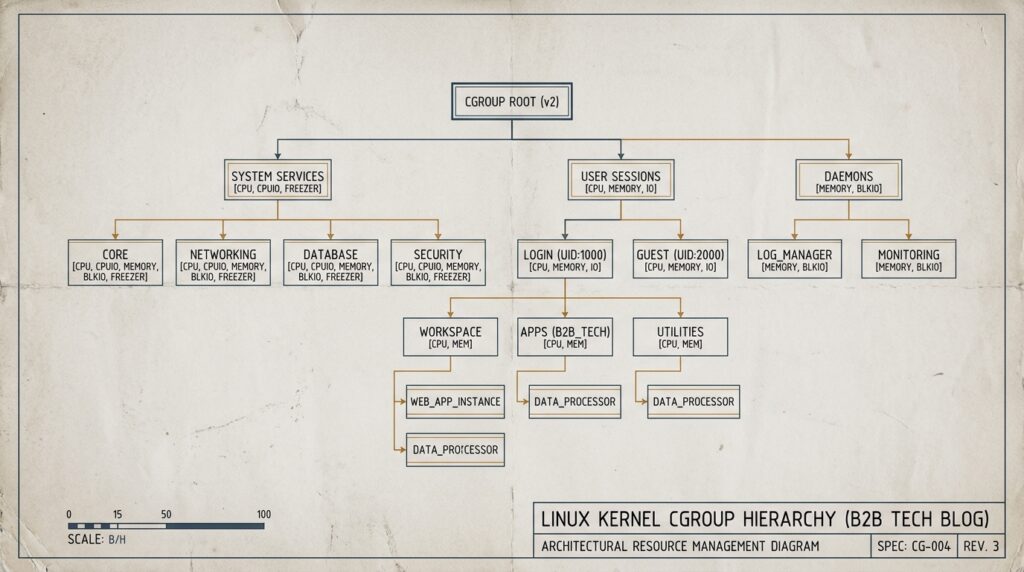
Kubernetes 1.36 removed cgroup v1 entirely. Here is what changed architecturally, the full version timeline, and what your node audit must cover before upgrading.

Uptime SLAs measure availability averages. They say nothing about how fast your systems recover. For finance, healthcare, and energy teams, that gap is a regulatory liability.

AI-generated files embed invisible provenance metadata that can carry user-linked data into regulated outputs. Here is what your document pipeline needs to handle.

Static thresholds and copied configs are the root cause of alert fatigue. Here is a structured framework for turning raw telemetry into meaningful, actionable signals.

AMD EPYC 9005 and Intel Xeon 6 both target CPU AI inference, but neither dominates across every workload. Here is how to choose for a 3-5 year bare-metal cycle.

MongoDB is a strong operational database, but analytics at scale exposes real limits. Here is where managed MongoDB fits and where a columnar engine wins.

Migrating to VDS but replicating old VM sizing habits will cost you. Here is how to tune CPU and memory allocation to match real production workload profiles.

An Italian telecoms operator facing NIS2 enforcement proved subscriber data residency to its regulator in one cycle and cut streaming costs by over 25%.

Pushing a quantized 8B model to the edge? The VPS-vs-VDS choice is an architecture decision. Here is where shared-resource limits break latency SLAs.

Agentic AI breaks the batch pipelines most infrastructure teams built for analytics. Here is what a production-ready data layer actually requires.

A French legal-process outsourcer couldn’t prove EU data residency to enterprise clients. Bare-metal migration to DIVERSITY’s EU-only infrastructure changed that.

Batch inference economics collapse under agentic AI workloads. Here’s how to map GPU infrastructure to the demands of autonomous, multi-step agent deployments.

Batch or streaming for your ML pipelines? The answer turns on feature latency, operational cost, and where your data actually lives. Here is how to decide.

A German private bank faced a BaFin deadline after Schrems II exposed its US-hosted transaction monitoring. Here is how bare-metal EU infrastructure resolved it.

Partition count, consumer group design, and broker sizing are decisions you make before load hits. Get the tradeoffs wrong and they compound fast.

ARM silicon has closed the gap with x86 for latency-sensitive edge workloads. Here is how to choose the right processor architecture for your deployment.

Slow dashboards are a query problem, not a charting problem. Here is where the failures actually originate and how to fix them at the source.

Open-weights models are production-ready, but shared GPU infrastructure carries real data-isolation risks. Here is what the threat model actually looks like.

Broadcom’s VMware overhaul has pushed price increases above 1,000% for some customers. Here is a concrete architecture guide for migrating to KVM or Xen on bare metal.

A Nordic energy utility cleared its NIS2 audit with zero findings after migrating SCADA pipelines to DIVERSITY’s EU-sovereign bare metal and event streaming infrastructure.

From notebooks to production: how to architect a reproducible, multi-environment data science platform on European cloud without building a bespoke stack from scratch.

Bare metal vs VDS for database workloads: how hypervisor overhead, steal time, and storage path differences drive p99 latency and when each tier is the right call.

The per-seat cloud PBX price looks clean until you add geographic redundancy. Here is where the real costs hide and how to build an accurate multi-site budget.

Planned maintenance can cascade into real outages, and your SLA probably won’t protect you. Here’s the architecture framework that actually does.

How to design a virtual PBX dial plan for multi-site European offices: centralized vs distributed architecture, extension numbering, routing strategies, and hairpin avoidance.

A Benelux insurer moved AI claims scoring to DIVERSITY’s EU-sovereign GPU infrastructure, cleared its regulatory review, and cut cloud spend by 30%.

SIP trunk failover requires redundancy at three layers simultaneously: provider, network, and PBX. Here’s how the architecture actually works.

Open-weights AI models have closed the capability gap with proprietary APIs. Here is what that means for EU data residency, AI Act compliance, and your inference architecture.

Most AI proof of concepts fail not because the model is wrong, but because the infrastructure assumptions never survived production conditions. Here is how to close the gap.

CUDA portability layers for AMD and Intel GPUs are real but incomplete. Here is where ROCm, SCALE, and oneAPI actually work, and where they break.

Multi-second Kafka rebalance stalls aren’t inevitable. Here’s how the cooperative sticky assignor, static membership, and timeout tuning eliminate them.

VPS buyers focus on vCPU and RAM, then find out too late that shared uplinks and absent QoS are the real production risk. Here is what to ask.

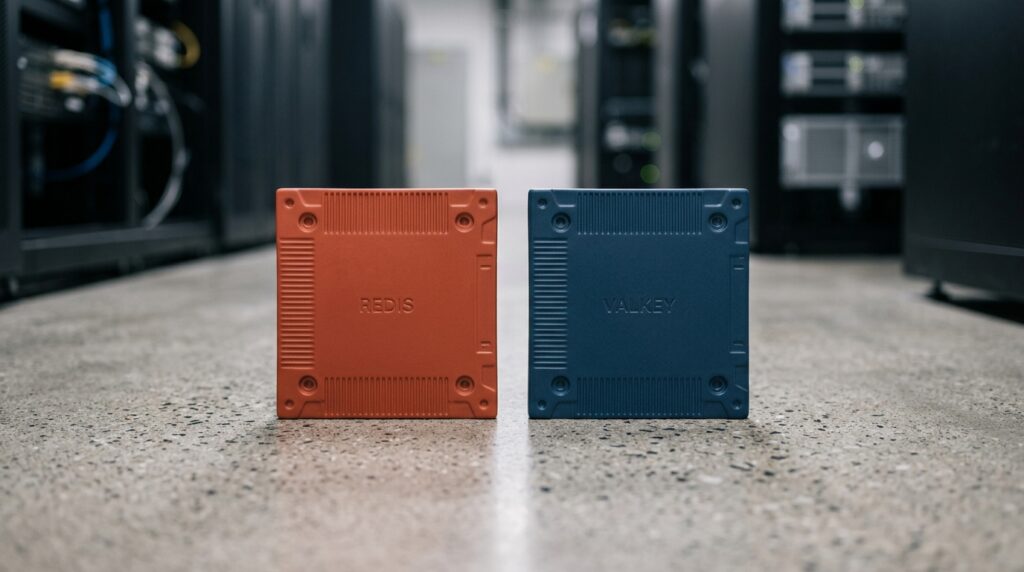
Redis changed its licence in 2024. Valkey launched days later. A year on, here is how to choose between managed Redis and Valkey for session caching in 2026.

Shared-cloud BI creates real GDPR, DORA, and NIS2 exposure for finance, healthcare, and energy firms. Here is where the risk sits and what changes.

Most object storage architectures accumulate petabytes without lifecycle policies, turning a cost-efficient tier into runaway spend. Here is the framework to fix it.

A five-phase bare metal deployment checklist covering BIOS hardening, network bonding, OS provisioning, storage layout, and pre-production validation for production-ready dedicated servers.

Recent AMD SEV-SNP and Intel TDX vulnerabilities rattled confidence in confidential computing. Here is what they actually broke, what the mitigations restore, and how to assess residual risk.

Build a containerised data science environment that runs identically from a €20/month VPS to a bare-metal GPU node, with no vendor lock-in and full data sovereignty.

A VDS guarantees non-oversubscribed resources, but misconfigured CPU pinning and NUMA alignment can silently waste half that capacity. Here is how to fix it.

H100 spot prices have fallen over 60% from peak, but Blackwell capacity is tightening fast. Here is how to rethink your AI infrastructure budget before the next scarcity cycle locks you in.

Database teams migrating to cloud often hit I/O bottlenecks that generic advice misses. Here are the storage protocol, scheduler, and queue depth levers that matter.

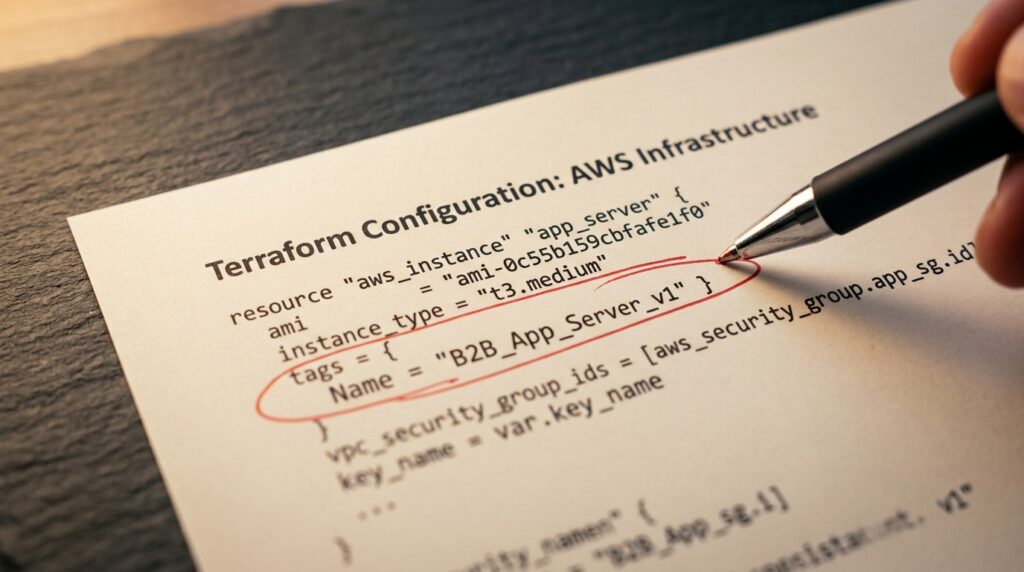
AI coding assistants are shipping 2.74x more vulnerabilities than human-written code. Here’s a concrete framework for catching what they miss in your IaC and CI/CD pipelines.

Kafka 4.0 dropped ZooKeeper. Now is the right time to ask whether bare metal deployment cuts your latency and cost more than managed cloud tiers can.

Bare metal vs cloud VMs in 2026: where the latency gap is real, where hypervisors have closed it, and why network placement matters as much as hardware.

A practical guide to ZTNA architecture on European cloud infrastructure, covering NIS2 and DORA requirements, microsegmentation trade-offs, and sovereign deployment.

Agentic AI pipelines in finance, healthcare, and defence face EU AI Act, GDPR, and DORA obligations simultaneously. Here is how to design for them.

Certificate expiry causes 72% of orgs to face outages yearly. With NIS2, DORA, and 47-day TLS validity coming, here’s how to build a systematic fix.

Estonia’s plan to issue AI agents their own digital IDs names a governance gap that already exists in European enterprise infrastructure. Here’s how to close it.

DORA and NIS2 make cloud resilience architecture a legal obligation. Here is how to design fault-tolerant infrastructure that satisfies European regulators.

EOL operating systems connected to cloud environments create compounding security and compliance risks that NIS2 and DORA now make legally untenable for European enterprises.

European datacenter power demand is set to double by 2030. Here’s how geographic diversification, free cooling, and grid planning separate the operators who are ready from those who are not.

NIS2 and DORA make patch management a legal obligation with documented timelines and audit trails. Here is how to build a compliant pipeline for 2026.

AI inference is reshaping the data centre business model. Here’s what European IT teams need to know about GPU costs, supply constraints, and where to run AI workloads.

GDPR’s 72-hour rule and NIS2’s 24-72-30 reporting structure demand pre-built workflows, not improvised responses. Here is what European cloud operators must have in place.

35.5% of breaches in 2024 involved third parties. Here is how European enterprises should audit vendor data access and reduce supply chain exposure under GDPR and NIS2.

How to design a resilient multi-cloud network fabric for European enterprises: private interconnects, carrier-neutral facilities, BGP redundancy, and sovereignty.

Plaintext passwords in Active Directory description fields expose credentials to any domain user. Here is why this silent misconfiguration is a critical risk under GDPR, NIS2, and DORA.

A documented Linux hardening baseline covering SSH, firewall, kernel parameters, and audit logging to satisfy ISO 27001, NIS2, and DORA on European cloud infrastructure.

GitHub Copilot’s metered billing shift turns a predictable cost into a variable one. Here’s what European DevOps teams need to evaluate before spend spirals.

A practical blueprint for structuring cloud storage so that GDPR data residency, access control, and audit trails are enforced by architecture, not policy documents.

14 malicious npm packages impersonating OpenSearch and Elasticsearch are a direct NIS2 and GDPR risk. Here is what European infrastructure teams must do now.

DORA, NIS2, and sector regulators now define RTO and RPO as legal obligations. Here’s how European cloud architecture must respond.

Most enterprise AI projects fail not because of poor models, but poor infrastructure and governance. Here’s the framework European teams need to fix that.

A practical microsegmentation blueprint for finance, healthcare, and energy teams navigating DORA, NIS2, and GDPR network isolation requirements on cloud infrastructure.

Pope Leo XIV’s AI encyclical and the EU AI Act share a core argument: AI concentration of power without accountability is structurally dangerous. Here’s what that means for your infrastructure.

Sub-millisecond cloud latency for trading and analytics workloads requires tuning at every layer, from peering topology to kernel config, without sacrificing EU data residency.

A mid-2025 wave of Linux kernel memory and copy CVEs demands a clear, auditable response strategy for European teams running regulated cloud workloads.

Bare metal, cloud instances, or on-premises? European enterprises scaling AI face a three-way GPU infrastructure decision with real cost, latency, and sovereignty stakes.

AI-generated code is raising production failure rates and cloud spend. For European teams under NIS2 and DORA, that makes it an ICT risk governance problem.

Cloud configuration drift is quietly undermining infrastructure teams running IaC at scale. Here is how to detect it, respond to it, and build the operational discipline to stay ahead of it.

Self-hosted or managed Kubernetes? For European infrastructure teams in 2026, the answer involves more than technical preference. Compliance, sovereignty, and engineering capacity all shape the right call.

The line between DevOps and platform engineering is blurring fast. Here’s what European cloud infrastructure teams actually need to understand before making the shift.

Istio, Linkerd, and Cilium solve different problems. Here’s how to choose the right service mesh for Kubernetes workloads on European sovereign infrastructure.

Kubernetes misconfigurations cause most container breaches. Here’s a practical, compliance-aware hardening checklist for infrastructure teams running production workloads on European cloud.

Logs, metrics, and traces are the foundation of cloud-native observability. Here’s how to implement them on European infrastructure without routing sensitive telemetry data outside GDPR-compliant boundaries.

Kafka or NATS JetStream? For European enterprises navigating data residency and operational complexity, the answer is less obvious than the default choice suggests.

GDPR data residency requires more than good intentions — it demands deliberate architectural choices. Learn the practical patterns for building multi-region cloud infrastructure that keeps personal data within European boundaries without sacrificing performance or operational simplicity.

Zero trust isn’t a product — it’s an architectural shift that European enterprises can’t afford to delay. Learn how to implement zero-trust principles on sovereign cloud infrastructure while meeting NIS2 and GDPR requirements.

GitOps promises faster deployments and cleaner audit trails — but for European teams, sovereignty and compliance add real complexity. Here’s how to get both right.

Cloud cost optimisation in Europe means more than cutting spend — it means doing so within strict GDPR and data residency boundaries. Here’s how to build a FinOps practice that satisfies both your CFO and your DPO.

Misconfigured resource limits are one of the top causes of OOMKills, noisy-neighbour chaos, and runaway cloud bills. Here’s how to get it right in production.

Event streaming and message queuing both decouple your services, but they solve different problems. Learn which architecture fits your real-time data pipeline — and why European cloud infrastructure matters for EMEA enterprises.

Bare metal, VPS, or managed cloud — for regulated workloads in Europe, the choice is about more than cost. Here’s how to think through performance, compliance, and sovereignty.

The EU Data Act’s key provisions are now in force — and they’re reshaping how European organisations think about cloud infrastructure, data portability, and vendor lock-in. Here’s what IT teams need to know.
MLOps: The New Frontier in Data Science 🚀 In today’s tech landscape, companies pour immense resources into data science initiatives, crafting sophisticated...
Machine Learning: The Invisible Force Behind Modern Technology 🤖 Have you ever wondered how Netflix perfectly recommends your next binge-watch or how Alexa...
Introduction: A Hidden Threat in Plain Sight 😊 Imagine discovering a vulnerability so subtle that it hides behind the promises of advanced AI capabilities….
Did you know that “prompt attacks” are one of the biggest sources of risk in AI? Large Language Models (LLMs) have transformed productivity, but they are not...
AI in Retail: The Inevitable Transformation of Commerce Artificial intelligence (AI) in retail is the application of advanced algorithms and machine learning...
Introduction: The Unstoppable AI Train The accelerated evolution of artificial intelligence (AI without guardrails) has us all riding a high-speed train...
In today’s business ecosystem, speed and accuracy aren’t a competitive advantage; they are an operational necessity. However, many companies still struggle...
Have you ever wondered how companies can seamlessly integrate language models with their internal systems? In this article, we explore the revolution that the...
What does Automating Business processes mean? Automation involves using technology to handle repetitive tasks traditionally performed by humans. It can be...
Have you ever wondered if the internet could run out of space? 🚀 It might not keep you up at night, but it’s an ever-present concern for tech specialists….
Understanding the Shift to Cloud-Based Communication In today’s fast-paced business environment, companies are on the lookout for technology solutions that can...
Unveiling the role of a technology advisor In today’s fast-paced digital landscape, companies are increasingly seeking guidance to navigate the complexities of...
In the tech world, few decisions are as critical as changing the backbone of a company’s messaging infrastructure Yet that’s exactly what DIVERSITY, a...
Introduction: A Silent Revolution in the Restaurant Sector If you have ever wondered how the world’s most successful restaurants are redefining customer...
Unlocking the Mysteries of Token Sampling in LLMs Imagine a world where machines can create text that feels almost human-made. 🤔 But how do these systems...
Kubernetes: The Helmsman That Keeps Our Favorite Apps Afloat Imagine you’re in the middle of binge-watching your favorite series on Netflix. Just when the best...
Unveiling the future of intelligent automation Have you ever wondered how businesses leverage technology to transform efficiency and adaptability? 🌟 Imagine a...
Speech-to-text technology has revolutionized the way we interact with digital devices. This tool converts spoken language into written text, making tasks like...
🔍 AI Agents: The Silent Revolution Transforming Automation In a world where automation is the key to operational efficiency, AI Agents have become one of the...
In a world where data is flowing faster than ever, the challenge is no longer just about handling data, but doing it smartly. Imagine an AI Agent SQL that can...
The challenge of data overload in modern businesses In today’s digital age, businesses are swimming in an ocean of data. While the abundance of data should...
The intriguing rise of AI-powered content creation Have you ever wondered if it’s possible to create content effortlessly, without typing a single word? 🤔 With...
Discover the Power of Advanced Data Visualization TechniquesAs the world becomes increasingly data-driven, the ability to analyze and interpret complex...
Introduction to Business Intelligence Have you ever wondered how the most successful companies make strategic decisions with almost pinpoint accuracy? The key...
The Intriguing Role of AI in Modern Product Management Have you ever wondered how artificial intelligence (AI) is profoundly impacting the field of product...
Embarking on this journey without understanding the importance of a Data Warehouse is like setting sail without a compass. Imagine having the ability to...
What is Natural Language Processing (NLP) and How Is It Changing Our World? Have you ever wondered how your smartphone seems to read your mind? 🤔 Or how Alexa...
Why Consider VPS Hosting? On the lookout for the right web hosting for your small business in Spain? 🤔 Let’s dive into why VPS hosting might be your best...
Have you ever wondered how artificial intelligence (AI) is reshaping the landscape of multiple industries and what its impact might be in the near future?...
Artificial Intelligence: An Overview Artificial Intelligence (AI) is a field of technology designed to mimic human intelligence and decision-making. From...
Understanding AI Proof of Concept An AI Proof of Concept (PoC) is a prototype or demonstration of a proposed AI solution. It is designed to verify if the...
Understanding Big Data We have been living for decades in a world where every data point is stored, documented, and listed across vast servers distributed...
In today’s digital age, information is power. Organizations that fail to harness the power of data are being left behind. Implementing a Data Driven approach...
Understanding the Impact of Digital Transformation on SalesHave you ever wondered how digital transformation could be the key to unlock steady sales while...
Step 1: Identify the problem(s) you want to address with AIStarting your AI proof of concept (PoC) journey can be thrilling. But first, you need a clear...
The use of data by organizations to improve efficiency and drive innovation is nothing new. Since the beginning of the 20th century, companies have been...
Are you facing the dilemma of implementing a new technology or IT solution in your company? Uncertainty about its effectiveness, risks, and profitability can...
Understanding Apache KafkaAre you curious about how real-time data streaming works in modern tech systems? Apache Kafka is here to fascinate you. Initially...
the significance of data mining Having a database is synonymous with having customers—something fundamental for all businesses. An updated database will enable...
What is Data Analytics? In an increasingly data-driven world, understanding the concept of Data Analytics is crucial for any professional. Data Analytics...
Imagine that your company could significantly improve its communication system, reducing costs and scaling operations with ease. This is not only possible, but...
Imagine having the power to scale your digital presence without limitations, offering your customers an unprecedented experience. This is not just a...
The Rise of Real-Time Applications: In today’s digital age, user expectations are higher than ever before. Applications and online platforms must be fast,...
Understanding VPS and Cloud Have you ever walked into a tech company and heard terms like Virtual Private Server (VPS) and Cloud? These concepts can be...
Many clients ask if Data Lakes, with their file-based storage, are a move in the wrong direction. This sentiment is understandable given the constant evolution...
What is a Bare Metal Server? The term “Bare Metal Server” may sound technical and complex, but it actually refers to a powerful and efficient form of computing...
Are you running out of space on your web hosting? Do you need more power for your online project? If you are looking for a flexible and scalable solution, a...
Cloud computing has transformed modern business operations, but many organizations are realizing that the costs can quickly spiral out of control. This guide...
Imagine being able to predict exactly what your customers want, even before they know themselves. Data science in retail is transforming the way stores...
Have you ever wondered how leading technology companies manage massive amounts of data with apparent ease? The answer might surprise you, and it has a lot to...
What is Kafka? Apache Kafka, initially developed by LinkedIn, is a distributed, fault-tolerant, and highly scalable pub-sub messaging system. It enables...
In a world where information flows at a dizzying pace, businesses that do not adapt to new technologies run the risk of being left behind. Data Streaming has...
The Transportation Sector is at a Crucial Turning Point New technologies, such as business intelligence, big data, real time, and data science, are driving a...
In a world where technology is advancing by leaps and bounds, companies need tools that not only keep up with that pace but also allow them to stand out. This...
The mining industry is undergoing a significant transformation driven by the integration of artificial intelligence (AI). As companies look for ways to remain...